
Planning exhibitions during November and December often comes with tight deadlines, heavy workloads, and pressure to prepare well for the new year. Many organisations start reviewing their programs, confirming dates, and setting budgets at this time, yet exhibitor management is often underestimated until it becomes urgent. A quick checklist or a single email rarely gives exhibitors what they need, especially when the event imposes safety, access, and coordination requirements that extend far beyond the stand itself.
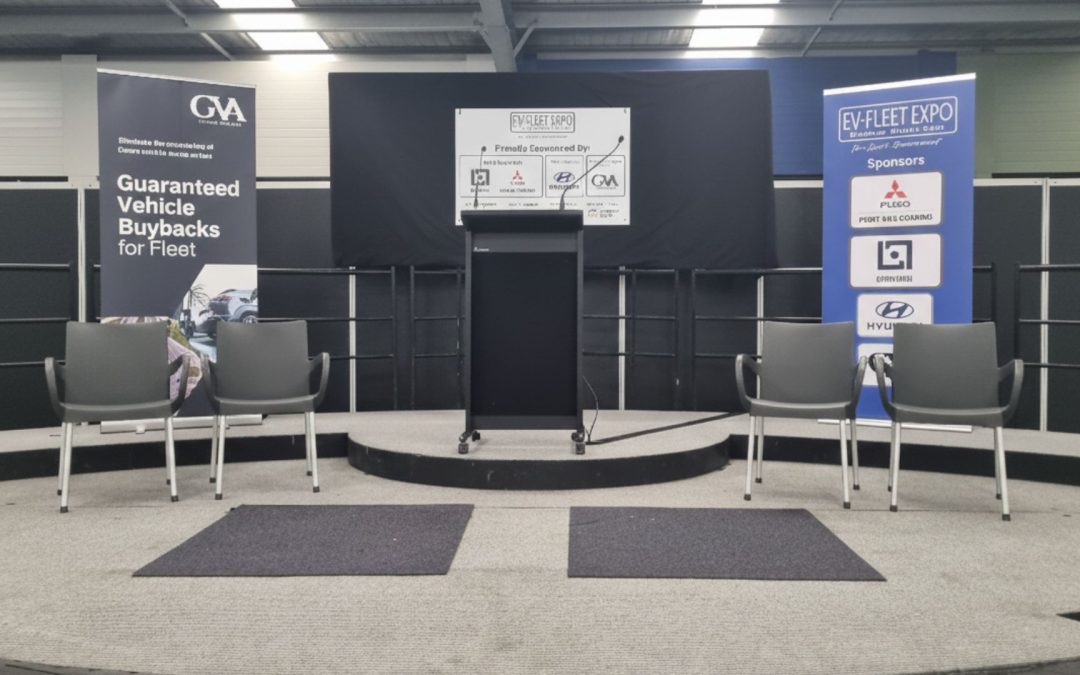
The recent EV Fleet Expo for Local Government, where Right Angle Events managed exhibitor coordination and vehicle bump-in, is a good example of how considered planning supports both exhibitors and organisers. This event required detailed communication, safe vehicle movement, technical support, and consistent coordination between suppliers, exhibitors, and council stakeholders. The lessons learned from work like this highlight how helpful it is to create structure early, especially when the aim is to reduce stress and keep operations steady.
This guide aims to help you streamline exhibitor management through clear processes, practical planning, and thoughtful coordination.

What Exhibitor Management Really Requires at Scale
Exhibitor management is often seen as a simple list of follow-ups, yet the work stretches well beyond scheduling a bump-in time or sending an on-site contact name. When you deliver exhibitions at scale, the expectations, responsibilities, and risks grow. You work with multiple stakeholders, each with their own needs, technical requirements, and safety considerations. Without structure, this can quickly lead to confusion and last-minute surprises.
What Exhibitors Expect
Exhibitors want information that is clear, complete, and timely. They prefer to receive details in advance so they can prepare their teams, equipment, and deliveries. They expect:
- Step-by-step bump-in and bump-out instructions
- Access schedules and onsite movements
- An exhibitor manual that explains what they can and cannot do
- Safety and risk guidelines they need to follow
- Technical specifications such as power, cabling, and AV requirements
- Venue rules on height, sound, food, displays, or machinery
When exhibitors do not receive this information early, they need to ask for clarification or make assumptions that can lead to delays or safety issues. Even confident exhibitors rely on clear instructions, especially when they operate in regulated environments or have vehicles, heavy equipment, or displays that need careful planning.
What Organisers Must manage Behind The Scenes
Behind every exhibition floor is a long list of planning tasks, approvals, and coordination points that keep the event safe and professional. Your team is responsible for:
- Site planning and layout
- Understanding venue restrictions and council requirements
- Coordinating vehicle access
- Reviewing power, internet, and AV needs
- Confirming loading bay operations
- Checking risk and safety documentation
- Communicating with venue teams, suppliers, and stakeholders
- Planning for peak times and potential congestion
- Ensuring all exhibitors follow the same process
Even small errors can create big delays. A truck arriving at the wrong time, a stand requesting extra power with no notice, or a vehicle that cannot fit through access points can slow down the entire program.
Common Pitfalls to Avoid
You can avoid most issues with early planning and structured communication. Some of the most common challenges include:
- Unclear instructions that lead to repeated questions
- Late changes that disrupt other exhibitors
- Bottlenecks at entry points due to poor scheduling
- Unmanaged vehicle movements that compromise safety
- Gaps in documentation, such as missing permits or risk assessments
- Incorrect assumptions about power, bump-in times, or stand location
These issues create unnecessary pressure for your team and undermine the experience for exhibitors. When exhibitors feel uncertain, frustrated, or unsupported, this can affect the event’s overall impact and credibility.
How Structured Planning Streamlines the Experience
Strong exhibitor management begins with planning. When you take the time to map each step, check assumptions, and prepare documentation early, you reduce confusion and build predictability for everyone involved. A clear system helps exhibitors understand what they need to do and helps you manage operations with confidence.
The Power of Coordinated Timelines
Timelines guide the flow of the planning process. They help you communicate key dates, manage supplier dependencies, prepare materials, and set clear expectations. A coordinated timeline shows exhibitors when they need to submit forms, provide safety documents, confirm power, or share final plans. It also guides your own workload, ensuring your team stays on track.
Logistics Mapping That Reduces Questions
Logistics mapping helps you understand how people and vehicles move across the site. When you map entry points, access routes, loading bays, emergency exits, and service areas, you can explain these details in a simple way that reduces repeated questions. Exhibitors appreciate clear instructions, and your team avoids unnecessary back-and-forth communication.
Well-Prepared Manuals That Build Confidence
An exhibitor manual brings everything together. When the manual is detailed and user friendly, exhibitors feel supported and well informed. This reduces the need for follow-up emails and ensures your event day runs smoothly. Manuals also protect your team by outlining responsibilities, rules, and safety requirements that need to be followed.
Proactive Communication
Proactive communication prevents last-minute surprises. It keeps exhibitors informed about deadlines, updates, changes, and reminders. It also creates trust. When exhibitors feel like you have thought through the details, they are more likely to stay organised and behave in a way that supports your operational plan.
Professional Support That Brings Consistency
When your team or a trusted partner manages exhibitor communication, documentation, technical needs, and safety checks, you protect the integrity of your event. Consistent communication helps exhibitors know what to expect. Professional support also reduces the risk of overlooked tasks or unplanned expenses. This is especially helpful when dealing with complex sites or high-profile stakeholders.
Step-by-Step Guide to Building a Smooth Exhibitor Workflow
A strong exhibitor workflow helps you stay organised, protect safety, and keep communication clear. The steps below outline a process you can adapt for your own event.
1. Identify Exhibitor Types and Their Operational Requirements
Start by listing the types of exhibitors you expect. Some may bring machinery, vehicles, or food. Others may need power, AV, or special handling. Understanding the differences helps you plan access points, safety requirements, and technical support.
2. Map The Site Layout and Access Routes
Your layout determines how exhibitors move into the space, where they park for loading, and how they access their stand. Make sure vehicle routes are clear, safe, and free of obstructions. For events with many vehicles, stagger arrivals and confirm dimensions to ensure they fit into the site.
3. Develop or Refine The Exhibitor Manual
The manual is one of your most valuable tools. Include:
- Maps and diagrams
- Safety guidelines
- Technical requirements
- Access information
- Bump-in and bump-out instructions
- Emergency contacts
- Venue rules
- Submission deadlines
A well-structured manual reduces confusion and keeps everyone aligned.
4. Create a Bump-In and Bump-Out Schedule
A good schedule considers stand size, vehicle requirements, staffing levels, and peak times. Make the schedule fair and practical. Ensure you allow enough time between movements to prevent congestion. Communicate this schedule early and reconfirm it close to bump-in day.
5. Coordinate with Venues and Local Councils
Venues and councils often have rules on access, parking, safety, and noise. These factors affect your plan, so confirm them early. For events with outdoor components, public areas, or complex setups, early engagement helps you prevent delays and secure necessary permits.
6. Establish Communication Channels and an Update Process
Exhibitors need a clear way to ask questions and receive updates. Use one central channel to avoid mixed messages. Set expectations for response times and remind exhibitors of deadlines. Include a process for communicating changes so they understand how updates will be shared.
7. Integrate Audiovisual, Staging, and Technical Needs
Technical issues can slow down the entire event. Check equipment needs early and confirm power, internet, lighting, and AV support. When your AV team works closely with your logistics plan, you avoid last-minute adjustments that can interrupt bump-in or compromise safety.
8. Allocate Operational Roles for the Event Day
Assign team members to check exhibitors in, manage loading bays, answer questions, oversee safety, and support troubleshooting. When everyone understands their role, the event runs smoothly and exhibitors feel guided. This structure also helps you address issues quickly before they escalate.
Setting Your Events Up for Success
Effective exhibitor management requires more than coordinating stand locations or sending a few updates. It sits across planning, safety, logistics, communication, and onsite execution. When these elements are structured and clear, your team works confidently and exhibitors feel supported throughout the journey.
Right Angle Events helps organisations plan and deliver exhibitions with calm, structure, and reliability. The focus is always on safety, communication, and operational detail that protects the success of your event. If you would like support reviewing or strengthening your exhibitor processes, book a consultation now to prepare for the year ahead.

Summary
Structured exhibitor management helps you run smoother, safer, and more coordinated exhibitions, especially during busy year-end planning periods. Clear communication, detailed manuals, proactive planning, and considered logistics support exhibitors and keep operations steady. Right Angle Events provides planning structure, operational oversight, and professional support that helps organisations deliver consistent experiences with confidence.